Although UK car production declined again in 2021, there are grounds for optimism in 2022 with a post-Brexit investment rebound and car output forecast to rise to over a million units.
UK car production in 2021 fell 6.7% to only 859,575 units in 2021 as the industry was hit by the ongoing pandemic and the impact of semiconductor shortages that constrained output plans. It was the lowest annual total since 1956 with output was 61,353 less than Covid-ravaged 2020 and some 34.0% below pre-pandemic 2019.
Mike Hawes, SMMT Chief Executive, said, “2021 was another incredibly difficult year for UK car manufacturing, one of the worst since the Second World War which lays bare the exposure of the sector to structural and, especially, Covid-related impacts.”
However, despite the ‘miserable year’, Hawes said there is some optimism and noted that Brexit uncertainty has largely been overcome with investment in the sector rebounding.
“Despite this miserable year, there is optimism. With Brexit uncertainty largely overcome with the TCA deal [UK-EU free trade deal], investments have been unleashed, most of which will help transform the sector to its zero-emission future. This is a vote of global confidence in the UK but must be matched by a commitment to our long-term competitiveness; support for the supply chain in overcoming parts shortages, help with skills and training and, most urgently, measures to mitigate the escalating energy costs which are threatening viability.”
Hawes also told a press conference that the semiconductors shortage should ease in the second half of 2022. Last year, manufacturers responded to the chips shortage by moving to making higher margin car models where they could. Hawes also noted that UK commercial vehicle production in 2021 was up by more than a fifth as the industry met higher demand from van fleet operators, many of whom are working their vehicles harder as online retail and delivery booms.
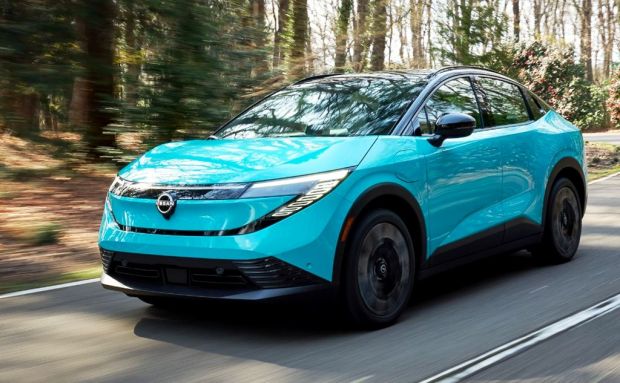
In 2021, British car factories produced a record number of battery electric (BEV), plug-in hybrid (PHEV) and hybrid electric vehicles (HEV), turning out almost a quarter of a million (224,011) of these zero and ultra-low emission vehicles, representing more than one-in-four (26.1%) of all cars made.
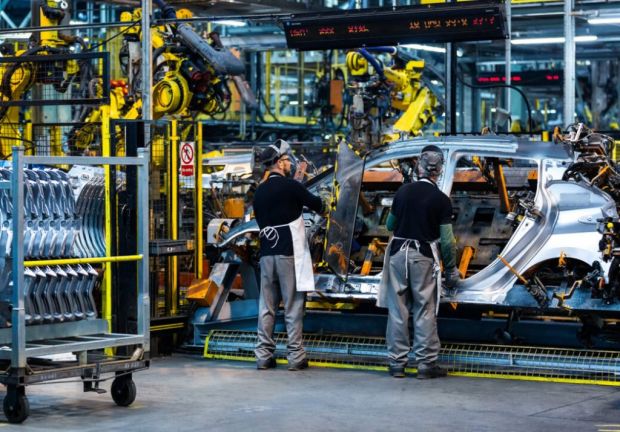
Manufacturers also wrestled with staff shortages arising from the need to self-isolate and depressed demand with car showrooms closed for months due to lockdowns and despite the success of ‘click and collect’ services. There were also non-Covid issues behind this fall, most notably the closure of a major UK car plant (Honda, Swindon) in July, which accounted for around a quarter of the annual decline.
Global exports continued to be the foundation for UK car manufacturing, with some eight-in-ten cars made being shipped overseas. Although annual production for overseas markets declined -5.8% to 705,826 units, volumes for the domestic market declined even more steeply, down -10.6% to 153,749.
.jpg)